澤田清一SEIICHI SAWADA

東洋古典 現代人生シリーズ Eastern Classics for Modern Life

澤田清一Seiichi Sawada

東洋古典を、現代の処方箋に。 Eastern classics, rebuilt as prescriptions for modern life.

二千年前の知恵を、現代を生きるための実用書へ。老子と孔子に学ぶ全6巻シリーズ。 Translating two-thousand-year-old wisdom into practical guides for the way we work and live today. A six-volume series on Lao Tzu and Confucius.

本を読むRead the Books
発売中Out Now
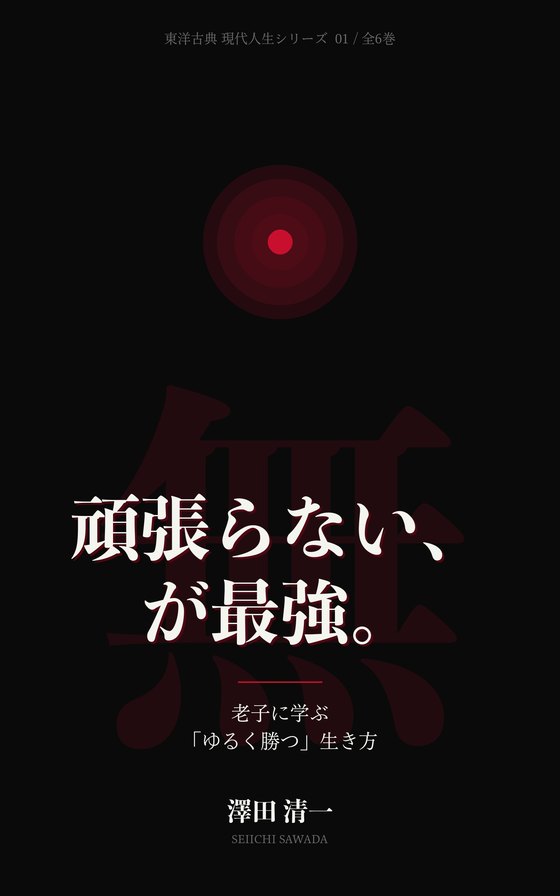
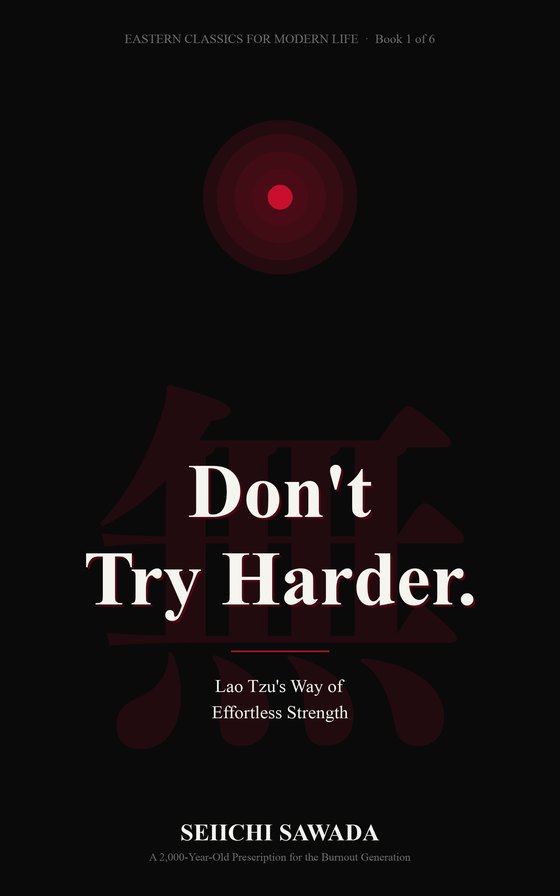
『頑張らない、が最強。』書影 Cover of “Don't Try Harder”

第1巻 ・ 老子篇Book One · Lao Tzu

頑張らない、が最強。Don't Try Harder

老子に学ぶ、力まずに結果を出す生き方。 Lao Tzu's Way of Effortless Strength for the Burnout Generation

「もう頑張れない」——そう思ったことが一度でもあるなら、この本はあなたのための一冊です。二千年前、老子はこう書きました。「水は、決して争わない。だからこそ、最も強い。」競争に疲れたすべての人へ贈る、力を抜いて前へ進むための処方箋。 “I can't try harder anymore.” If that thought has ever crossed your mind, even once, this book is for you. Two thousand years ago, Lao Tzu wrote: “Water never fights. That's why it's strongest.” A prescription for everyone worn out by competition — how to move forward by softening, not pushing.

ペーパーバック ¥1,518 → Paperback $13.99 →

English edition (Amazon.com) → 日本語版(Amazon.co.jp)→

Kindle 版は Kindle Unlimited で読み放題 Kindle edition free to read on Kindle Unlimited
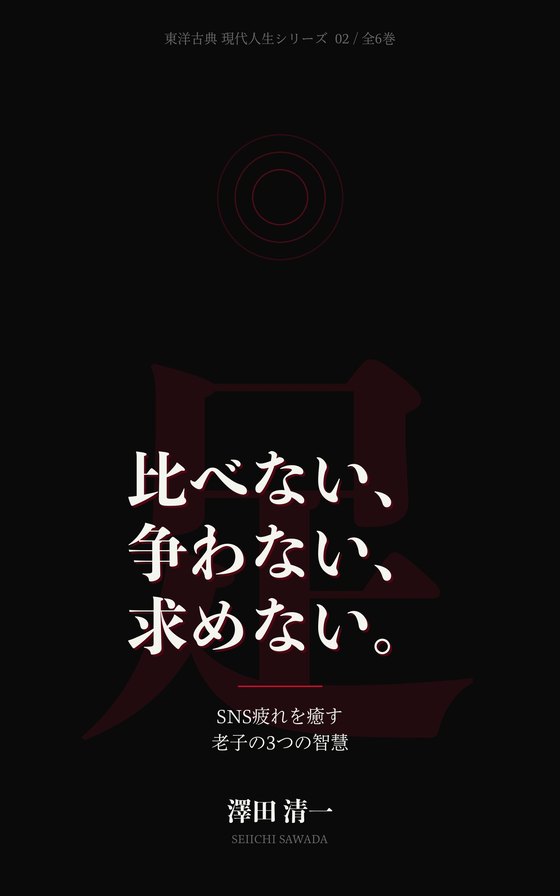
『比べない、争わない、求めない。』書影

第2巻 ・ 老子篇Book Two · Lao Tzu

比べない、争わない、求めない。Don't Compare, Don't Fight, Don't Crave

SNS疲れを癒す、老子の3つの智慧。 Lao Tzu's three wisdoms for healing social-media fatigue.

タイムラインを開けば、誰かの成功、誰かの幸せ。「いいね」を数えるたび、自分が小さくなっていく——。現代人を最も疲れさせているのは、終わらない「比較」です。本書は、老子が説いた3つの智慧「比べない・争わない・求めない」を、最新心理学とともに読み解く、SNS時代の心の処方箋。 Open the timeline and there it is — someone's success, someone's happiness. Each like you count makes you a little smaller. What exhausts us most today is comparison that never ends. This volume reads Lao Tzu's three wisdoms — don't compare, don't fight, don't crave — alongside modern psychology, as a prescription for the social-media age.

ペーパーバック ¥1,518 → Paperback ¥1,518 · in Japanese →

Kindle 版は Kindle Unlimited で読み放題 Japanese Kindle edition · free on Kindle Unlimited

『静かなリーダーは、最強である。』書影

第3巻 ・ 老子篇Book Three · Lao Tzu

静かなリーダーは、最強である。The Quiet Leader Wins

老子に学ぶ「動かない」マネジメント。 Lao Tzu on leading without pushing.

「声が大きくない自分は、リーダーに向いていないのか」——そう悩む人へ。老子は、最上のリーダーのもとでは、仕事が成し遂げられたとき人々が「自然にこうなった」と言う、と書きました。本書は「不言之教」「上善若水」「功成身退」などの言葉を手がかりに、熱弁や細かな指示に頼らずチームと向き合う考え方を、いまの管理職の言葉でまとめた一冊です。巻末に「老子流・1on1 質問リスト 30」を収録。 “Am I just not cut out to lead, because I'm not loud?” For anyone who has asked that. Lao Tzu wrote that under the best leaders, when the work is done, people say, “It happened naturally.” Through lines like “teaching without words” and “the highest good is like water,” this book translates Lao Tzu into the everyday language of today's managers — leading a team without speeches or micromanagement. Includes a list of 30 one-on-one questions.

ペーパーバック ¥1,320 → Paperback ¥1,320 · in Japanese →

Kindle 版は Kindle Unlimited で読み放題 Japanese Kindle edition · free on Kindle Unlimited

『三十にして、立てない。』書影

第4巻 ・ 孔子篇Book Four · Confucius

三十にして、立てない。I'm 30 and Still Can't Stand on My Own

AI時代に迷う20〜30代へ。論語で読み解く、キャリアと生き方。 The Analects for twenty- and thirty-somethings finding their way in the age of AI.

「三十にして立つ」——孔子のこの言葉が、いちばん重く響く世代がいます。同期と比べて焦る。やりたいことが見つからない。AIが仕事の多くをこなす時代に、自分に何が残るのかわからない。本書は『論語』から20〜30代の悩みに重なる16のテーマを選び、漢文を使わず、いまの言葉で書き直しました。孔子自身も、長く認められないまま諸国をめぐった人でした。 “At thirty, I stood firm,” said Confucius — words that sting most for a generation still finding its feet. Comparing yourself with peers, not knowing what you want, wondering what's left for you as AI takes on more of the work. This book picks sixteen themes from the Analects that speak to people in their twenties and thirties, and rewrites them in plain modern language — no classical Chinese required. Confucius himself spent years wandering from state to state, unrecognized.

ペーパーバック ¥1,100 → Paperback ¥1,100 · in Japanese →

Kindle 版は Kindle Unlimited で読み放題 Japanese Kindle edition · free on Kindle Unlimited

『四十にして、惑いまくり。』書影

第5巻 ・ 孔子篇Book Five · Confucius

四十にして、惑いまくり。40 and Still Confused as Hell

人生の折り返しで迷う人へ、論語の16の処方箋。 Sixteen prescriptions from the Analects for the second half of life.

「四十にして惑わず」——正直、惑いまくりです。仕事、家族、親の介護、落ちていく体力。四十代の迷いには、「もうやり直せないかもしれない」という静かな不安がつきまといます。本書は、人生の折り返し地点に立つ人へ、『論語』から選んだ16の言葉を、いまの言葉で届けます。「もう遅い」という思い込みのほどき方、後悔との付き合い方、家族との関係の引き直し方まで。 “At forty, I had no doubts,” said Confucius. Honestly? We're full of them. Work, family, aging parents, a body that isn't what it was — and underneath it all, the quiet fear that it may be too late to start over. For readers at life's midpoint, this book brings sixteen passages from the Analects into modern language: loosening the belief that it's too late, living with regret, and redrawing your relationships with the people closest to you.

ペーパーバック ¥1,100 → Paperback ¥1,100 · in Japanese →

Kindle 版は Kindle Unlimited で読み放題 Japanese Kindle edition · free on Kindle Unlimited

『人を見抜く論語』書影

第6巻 ・ 孔子篇(完結)Book Six · Confucius — Final Volume

人を見抜く論語Seeing Through People — The Analects

SNS・AI時代に「巧言令色」を見分ける、論語の人間観察。 The Analects on reading people in an age of social media and AI.

口のうまい人、感じのいい人、画面の中で輝く人——その「よさそう」を、どこまで信じていいのか。孔子は「巧言令色、鮮なし仁」と語りました。本書は『論語』に記された人間観察の視点を、SNSやAI生成コンテンツがあふれる現代に置き換えた17章。「いい人そう」と「いい人」を分けて見る観察軸から、自分自身が「巧言令色」になっていないかの点検まで。シリーズ完結作です。 The smooth talker, the charming colleague, the person who shines on your screen — how far should you trust the good impression? Confucius said: “Clever words and an ingratiating face are seldom signs of true goodness.” This final volume carries the Analects' way of observing people into an age of social media and AI-generated content, across seventeen chapters — from telling “seems nice” apart from “is good” to checking whether you've become the smooth talker yourself.

ペーパーバック ¥1,210 → Paperback ¥1,210 · in Japanese →

Kindle 版は Kindle Unlimited で読み放題 Japanese Kindle edition · free on Kindle Unlimited

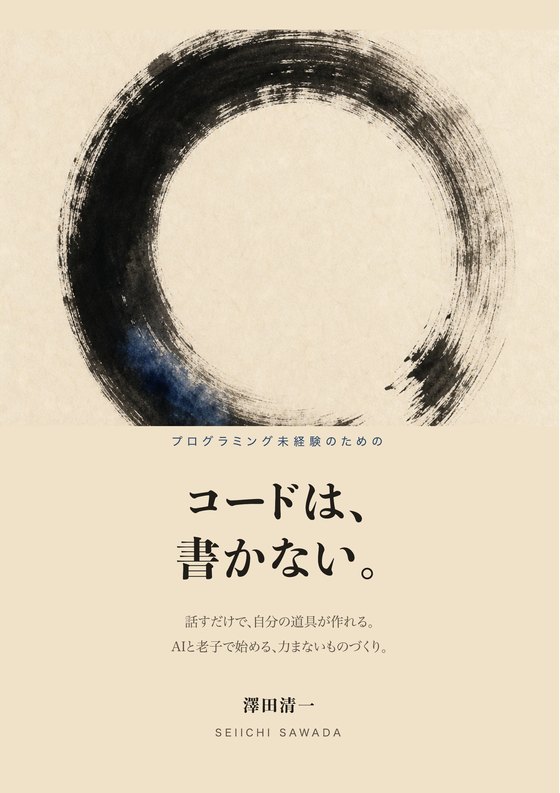
『コードは、書かない。』書影

特別編 ・ 老子 × AISpecial Edition · Lao Tzu × AI

コードは、書かない。Don't Write Code

プログラミング未経験でも、“話すだけ”でアプリが作れる。AIと老子で始める、力まないものづくり入門。 No coding experience needed — just talk, and an app takes shape. An introduction to making things with AI and Lao Tzu, without forcing it.

「もう、自分には一生ムリだ」——プログラミングの扉の前で、何度も引き返してきた人へ。本書は一行もコードを書かず、AI(Claude)に“話しかける”だけで、自分専用のアプリや道具をつくる入門書です。手がかりは、老子の「無為自然」。力まず、流れに乗る。消費する側から、つくる側へ。あなたの、はじめてのものづくりが、ここから始まります。 “This will never be for someone like me.” For everyone who has turned back at the door of programming, again and again. Without writing a single line of code — just by talking to an AI (Claude) — you build your own apps and tools. The guide is Lao Tzu's wu wei: don't force it, ride the flow. From consumer to creator — your very first act of making starts here.

ペーパーバック ¥1,100 → Paperback ¥1,100 · in Japanese →

Kindle 版は Kindle Unlimited で読み放題 Japanese Kindle edition · free on Kindle Unlimited

『文章は、書かない。』書影

特別編 ・ 老子 × AI 仕事術Special Edition · Lao Tzu × AI at Work

文章は、書かない。Don't Write the First Draft

メールも報告書も、AIに書かせる。老子に学ぶ「力まない」文章仕事術。 Emails, reports, meeting notes — let AI draft them. A Lao Tzu–inspired way to handle writing at work, without the strain.

メール一通に何十分もかかる。報告書の前で手が止まる——。本書は、仕事の文章をゼロから自分で書くのをやめ、話した内容や要点をAIに渡して下書きさせ、自分は判断と仕上げに回るための実用書です。メール、報告書・資料、議事メモまで場面ごとに解説し、それでも自分で書くべき文章にも一章を割きました。付録に、そのまま使えるプロンプト集30を収録。 An email that eats half an hour. A report you can't bring yourself to start. This practical guide shows how to stop writing work documents from scratch: hand your spoken thoughts and key points to an AI, let it draft, and keep the judging and finishing for yourself. It walks through emails, reports and documents, and meeting notes — with a chapter on the writing you should still do yourself — plus 30 ready-to-use prompts.

ペーパーバック ¥1,320 → Paperback ¥1,320 · in Japanese →

Kindle 版は Kindle Unlimited で読み放題 Japanese Kindle edition · free on Kindle Unlimited

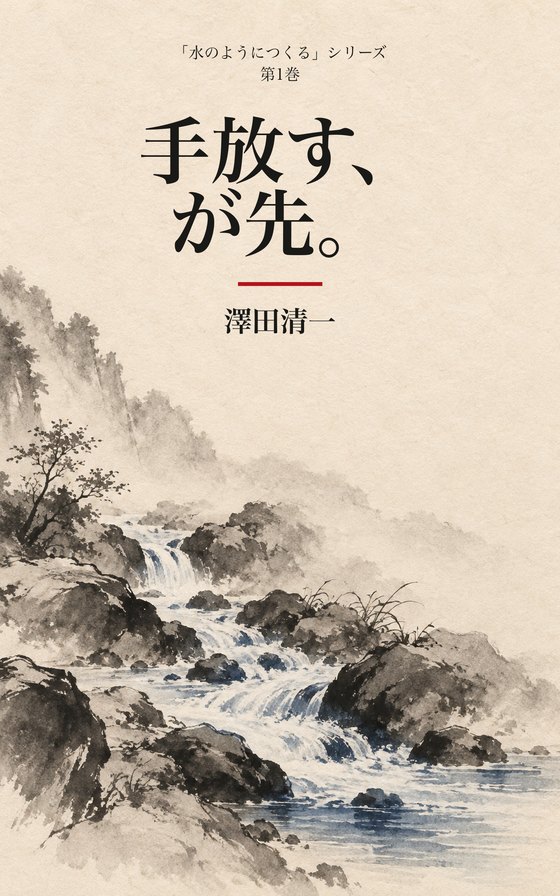
『手放す、が先。』書影

新シリーズ「水のようにつくる」第1巻 ・ 老子New series “Create Like Water,” Book One · Lao Tzu

手放す、が先。Let Go First

老子「上善若水」に学ぶ、AI時代の力まない働き方。 Working without strain in the age of AI — lessons from Lao Tzu’s “the highest good is like water.”

「頑張っているのに、前に進まない。」——その原因は、努力の量ではなく、握りしめる力の強さかもしれません。AIに乗り遅れたと焦る人へ。老子の「上善は水の若し」「学を為せば日々に益し、道を為せば日々に損す」の二つの章だけを手がかりに、力まない働き方を静かに考える小さな本です。各章末に原文・読み下し・意訳を収録。30〜40分で読める短編です。 “I’m working so hard, yet getting nowhere.” Maybe the problem isn’t how much effort you put in, but how tightly you grip. For anyone anxious about falling behind in the age of AI, this short book works through just two chapters of the Tao Te Ching — “the highest good is like water” and “in learning, add daily; in the Way, subtract daily” — to think quietly about working without strain. Each chapter ends with the original text, a Japanese reading and a modern rendering. A 30–40 minute read.

ペーパーバック ¥1,100 → Paperback ¥1,100 · in Japanese →

Kindle 版は Kindle Unlimited で読み放題 Japanese Kindle edition · free on Kindle Unlimited

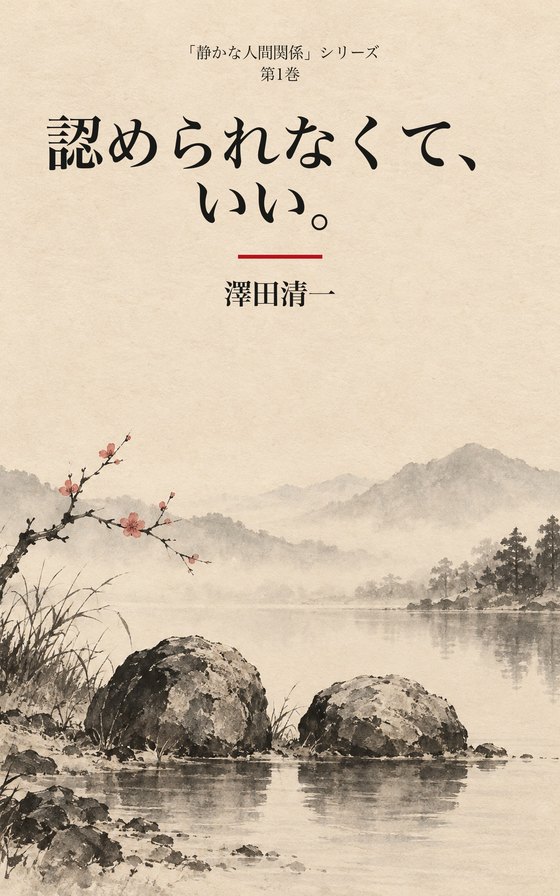
『認められなくて、いい。』書影

新シリーズ「静かな人間関係」第1巻 ・ 孔子New series “Quiet Connections,” Book One · Confucius

認められなくて、いい。No Applause Needed

論語に学ぶ、承認欲求の手放し方。 Confucius on letting go of the need for approval.

「いいね」の数を、今日、何回確かめただろう。私たちは一日に何度も、他人の反応で自分の値打ちを測っています。孔子は「人知らずして慍らず、亦た君子ならずや」——人に認められなくても腹を立てない、それこそ成熟した人ではないか、と語りました。承認欲求を無理に消すのではなく、握りしめた手を静かにゆるめていく練習の本です。各章末に論語の原文・読み下し・意訳を収録。30〜40分で読める短編です。 How many times did you check your “likes” today? All day long we measure our worth by other people’s reactions. Confucius asked: “Is it not the mark of a gentleman to feel no resentment when others fail to recognize him?” This is not a book about stamping out the need for approval, but practice in slowly loosening your grip. Each chapter ends with the original Analects passage, a Japanese reading and a modern rendering. A 30–40 minute read.

ペーパーバック ¥1,100 → Paperback ¥1,100 · in Japanese →

Kindle 版は Kindle Unlimited で読み放題 Japanese Kindle edition · free on Kindle Unlimited

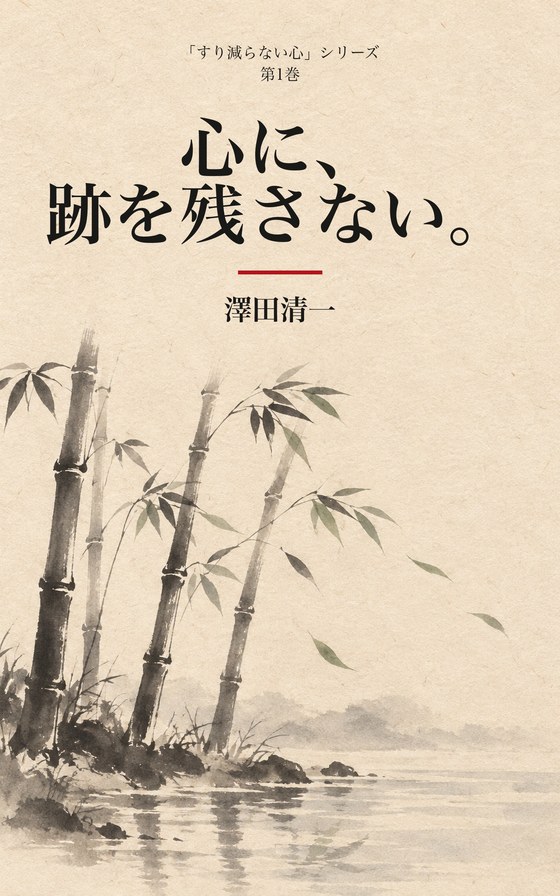
『心に、跡を残さない。』書影

新シリーズ「すり減らない心」第1巻 ・ 菜根譚New series “A Mind That Doesn’t Wear Down,” Book One · Caigentan

心に、跡を残さない。Leave No Trace

菜根譚に学ぶ、受け流す心の土台。 The Caigentan on letting things pass through you.

言った本人は、もう忘れている。それなのに胸の中では、同じ場面が何度も再生されている——。心をすり減らすのは出来事そのものではなく、その「再生」です。四百年前の処世の書『菜根譚』は、風が過ぎれば竹は音を留めず、雁が去れば水は影を留めない、と説きます。感情を押し殺すのでも、無視するのでもない。来たものを受けて、留めずに通す。その土台を八つの章で組み立てる本です。各章末に菜根譚の原文・読み下し・意訳を収録。 The person who said it has long forgotten. Yet inside you, the same scene plays again and again. What wears a mind down is not the event but the replay. The Caigentan, a 400-year-old book of practical wisdom, observes that bamboo keeps no sound once the wind has passed, and still water keeps no shadow once the geese have gone. Not suppressing feeling, not ignoring it — receiving what comes and letting it through. Eight chapters, each closing with the original passage, a Japanese reading and a modern rendering.

ペーパーバック ¥1,100 → Paperback ¥1,100 · in Japanese →

Kindle 版は Kindle Unlimited で読み放題 Japanese Kindle edition · free on Kindle Unlimited

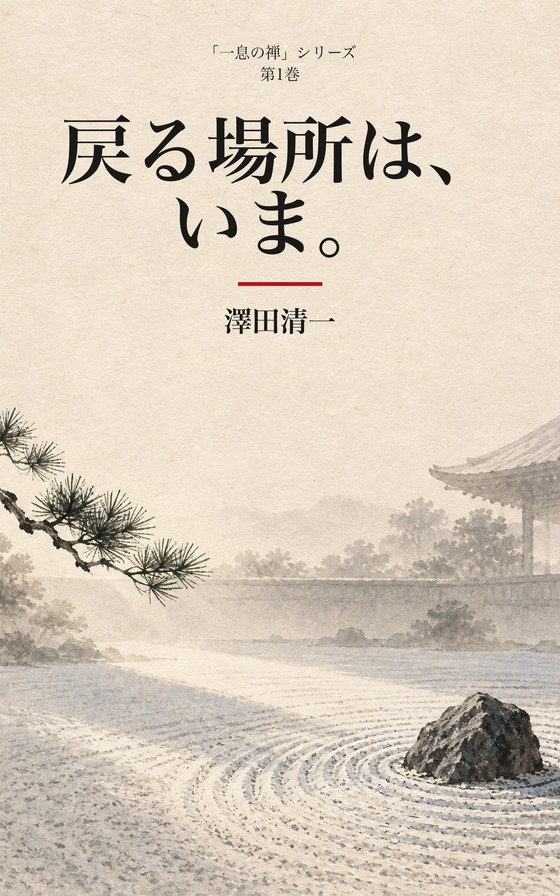
『戻る場所は、いま。』書影

新シリーズ「一息の禅」第1巻 ・ 無門関/臨済録New series “Zen in One Breath,” Book One · Wumenguan & Linji Lu

戻る場所は、いま。The Way Back Is Now

禅語「平常心是道」に学ぶ、散らかった注意の帰し方。 “The ordinary mind is the Way” — finding your way back from scattered attention.

メールの途中でSNSを開き、会議の途中で明日の心配をしている。気がつけばいつも、「いま」ではない場所に運ばれている——。それは意志が弱いからではなく、いまの世界が注意を奪うように設計されているからです。奪われることは止められない。けれど、帰ることはできる。何度でも。無門関第十九則「平常心是道」と臨済録「随処に主と作れば、立処皆な真なり」を手がかりに、呼吸一つ分の帰り道を八つの章で確かめる本です。各章末に禅語の原文・読み下し・意訳と出典を収録。 You open social media halfway through an email; halfway through a meeting you are worrying about tomorrow. You keep being carried somewhere that isn’t now. That isn’t weak will — the world is built to take your attention. You can’t stop being carried off, but you can come back, as often as you need to. Working from case 19 of the Wumenguan (“the ordinary mind is the Way”) and Linji’s “be the host wherever you are, and where you stand is real,” this book traces a way back one breath long. Each chapter ends with the original passage, a Japanese reading, a modern rendering and its source.

ペーパーバック ¥1,100 → Paperback ¥1,100 · in Japanese →

Kindle 版は Kindle Unlimited で読み放題 Japanese Kindle edition · free on Kindle Unlimited

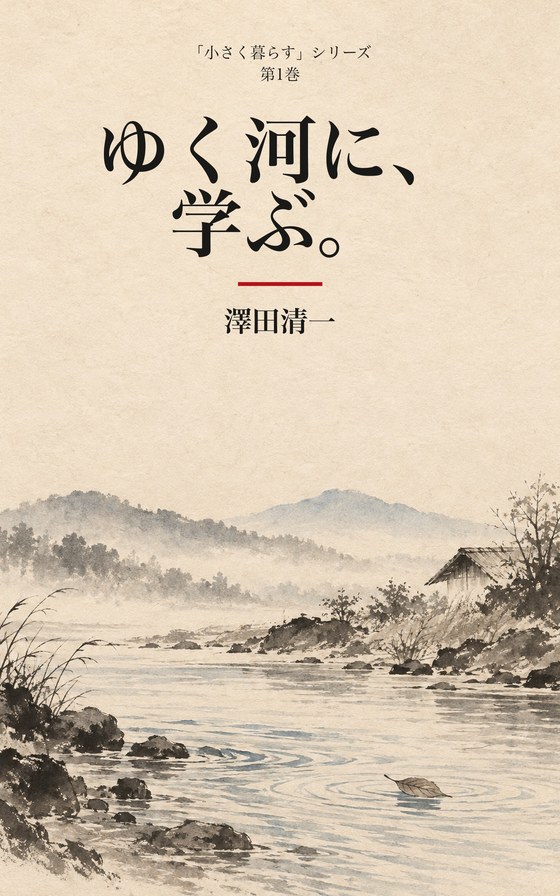
『ゆく河に、学ぶ。』書影

新シリーズ「小さく暮らす」第1巻 ・ 方丈記/徒然草New series “Living Small,” Book One · Hōjōki & Tsurezuregusa

ゆく河に、学ぶ。Learn from the River

方丈記と徒然草に学ぶ、ためこまない暮らしの始め方。 A life that doesn’t pile up — lessons from the Hōjōki and Essays in Idleness.

片づけたはずの部屋に、また物が戻っている——。八百年前、鴨長明は『方丈記』に「ゆく河の流れは絶えずして、しかももとの水にあらず」と書きました。川は多くのものを抱えながら、少しも重くならない。すべてを通過させているからです。重いのは、持っているからではなく、とどめているから。『方丈記』の冒頭と『徒然草』の序段を手がかりに、「捨てる決意」に頼らない暮らしの設計を組み立て直す本です。各章末に原文・読み・意訳と出典を収録。 The room you cleared out is filling up again. Eight hundred years ago, Kamo no Chōmei opened the Hōjōki: “The flowing river never stops, and yet the water is never the same.” A river carries a great deal and never grows heavy — because it lets everything pass. What weighs us down isn’t what we own, but what we hold back. Drawing on the opening of the Hōjōki and the preface to Essays in Idleness, this book redesigns a way of living that doesn’t depend on the resolve to throw things away. Each chapter ends with the original text, a reading, a modern rendering and its source.

ペーパーバック ¥1,100 → Paperback ¥1,100 · in Japanese →

Kindle 版は Kindle Unlimited で読み放題 Japanese Kindle edition · free on Kindle Unlimited

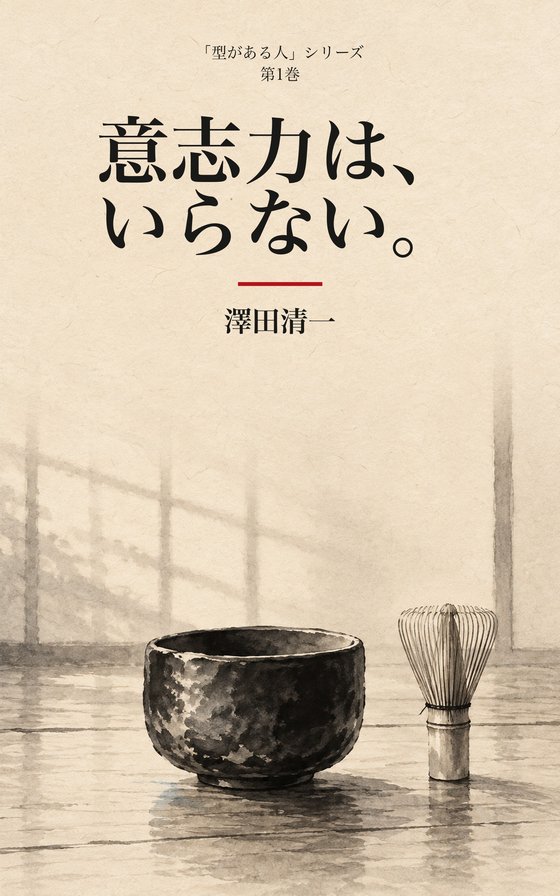
『意志力は、いらない。』書影

新シリーズ「型がある人」第1巻 ・ 五輪書/利休道歌New series “People with Form,” Book One · The Book of Five Rings & Rikyū’s Poems

意志力は、いらない。You Don’t Need Willpower

意志に頼らず続く、「型」という仕組みのつくり方。 Habits that last without willpower — building the structure called “form.”

「今度こそ、毎日続ける」——手帳に書いたその決意が、三週間後には白いページになっている。足りないのは意志ではなく、設計かもしれません。宮本武蔵は『五輪書』で兵法の道を大工にたとえました。名人は気合で家を建てない。道具を研ぎ、段取りを組み、型に沿って淡々と建てる。判断を前もって済ませ、意志を外に預ける「型」の考え方を、『五輪書』と利休道歌を手がかりに、現代の習慣づくりの言葉に翻訳する本です。各章末に原文・読み・意訳と出典を収録。 “This time I’ll keep it up every day.” Three weeks later, that page in your planner is blank again. What’s missing may not be willpower but design. In The Book of Five Rings, Miyamoto Musashi compared the way of strategy to carpentry: a master doesn’t build on sheer resolve — he sharpens his tools, plans the sequence and works steadily within a form. Drawing on Musashi and the poems of Sen no Rikyū, this book translates “form” — decisions made in advance, willpower handed off to structure — into the language of everyday habits. Each chapter ends with the original text, a reading, a modern rendering and its source.

ペーパーバック ¥1,100 → Paperback ¥1,100 · in Japanese →

Kindle 版は Kindle Unlimited で読み放題 Japanese Kindle edition · free on Kindle Unlimited

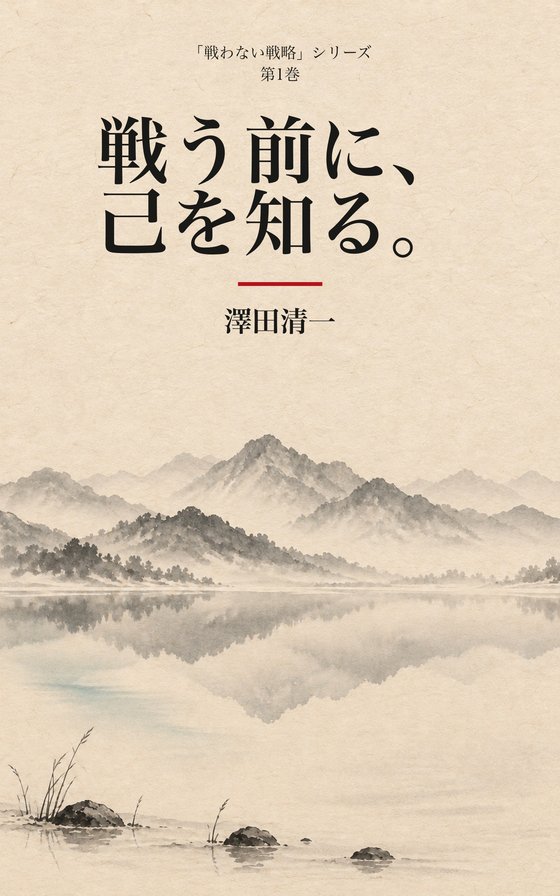
『戦う前に、己を知る。』書影

新シリーズ「戦わない戦略」第1巻 ・ 孫子New series “Strategy Without Battle,” Book One · Sun Tzu

戦う前に、己を知る。Know Yourself Before the Battle

孫子に学ぶ、消耗しないキャリアの自己分析。 A self-assessment for a career that doesn’t wear you down — lessons from Sun Tzu.

頑張っているのに、報われない——足りないのは努力ではなく、戦う場所の見きわめかもしれません。二千数百年前の兵法書『孫子』は「彼を知り己を知れば、百戦して殆うからず」と言い切ります。負けない人は、強い人ではなく、己を知っている人。得意を三つの棚で棚卸しし、苦手は直さずに扱い、経歴を年表ではなく一枚の「地形図」に描き直す。診断ツールのタイプ名に頼らない、静かな自己分析の本です。各章末に『孫子』の原文・読み下し・意訳と篇名を収録。 Working hard and still not getting anywhere? What’s missing may not be effort but choosing where to fight. More than two thousand years ago, The Art of War put it plainly: “Know the enemy and know yourself, and in a hundred battles you will never be in peril.” The people who don’t lose aren’t the strongest — they’re the ones who know themselves. Take stock of your strengths on three shelves, handle weaknesses without trying to fix them, and redraw your career not as a timeline but as a single map of the terrain. A quiet self-assessment that doesn’t lean on personality-test labels. Each chapter ends with the original text, a classical reading, a modern rendering and the chapter it comes from.

ペーパーバック ¥1,100 → Paperback ¥1,100 · in Japanese →

Kindle 版は Kindle Unlimited で読み放題 Japanese Kindle edition · free on Kindle Unlimited

シリーズ全6巻The Series

老子に学ぶ「弱さの強さ」三部作と、孔子に学ぶ「自分の育て方」三部作。古典を“解説”するのではなく、現代の言葉で書き直した処方箋として。 A Lao Tzu trilogy on the strength of softness, and a Confucius trilogy on growing into yourself. Not commentaries on the classics — prescriptions rewritten in the language of modern life.

老子篇The Lao Tzu Trilogy

孔子篇The Confucius Trilogy

著者についてThe Author
「最先端のAIに近づくほど、東洋の古典が響く。」 “The closer you stand to cutting-edge AI, the more the Eastern classics resonate.”

澤田清一(さわだ・せいいち)。東洋古典研究者、AIスタートアップ経営者。幼い頃、元国語教師の祖父から『論語』『老子』を漢文素読で叩き込まれて育つ。 Seiichi Sawada is an Eastern Classics researcher and AI startup CEO. From childhood, his grandfather — a former Japanese-language teacher — drilled the Analects and the Tao Te Ching into him through traditional Chinese-classical recitation.

マレーシア、シンガポール、フランス、そして日本で暮らし、働いたのち、AI産業の最前線に立つ。「最先端のAIに近づくほど、東洋の古典が響く」——その確信が、執筆の原点となった。東京在住。 After living and working across Malaysia, Singapore, France, and Japan, he found himself at the frontline of the AI industry. “The closer you stand to cutting-edge AI, the more the Eastern classics resonate” — this conviction became the foundation of his writing. He is based in Tokyo.